What is Molly?
Introduction: A Comprehensive Exploration of Molly
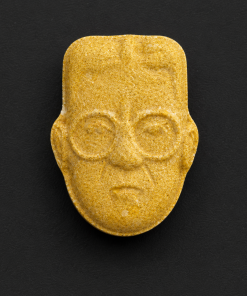
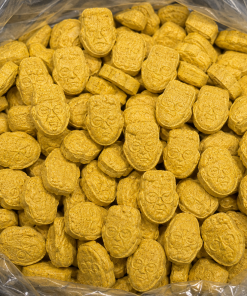
Buy Molly. Molly, known scientifically as 3,4-methylenedioxymethamphetamine (MDMA), is a synthetic drug that has captured the interest and concern of many. This article delves into the multifaceted aspects of Molly, including its origins, effects, risks, legal considerations, and societal impact.
Section I: The Origins and History of Molly
Understanding Molly requires a journey into its history, synthesis, and evolution.
- Synthesis and Early Use: First synthesized in 1912 by Merck, its psychoactive properties were not explored until decades later.
- Therapeutic Applications: MDMA was used in psychotherapy in the 1980s, though this was short-lived.
- Recreational Popularity: The drug’s association with dance culture and music festivals has led to widespread recreational use.
- Controversy and Debate: The debate over its therapeutic potential versus recreational risks continues to be a subject of discussion.
Section II: The Complex Effects of Molly
Molly’s effects are both alluring and alarming, depending on various factors.
- Positive Effects: Euphoria, increased energy, and enhanced sensory perception are common.
- Negative Effects: Anxiety, dehydration, and long-term cognitive impairments are potential risks.
- Physical and Psychological Risks: Chronic use can lead to addiction, heart problems, and other health issues.
- Interactions with Other Substances: Combining Molly with other drugs or alcohol can increase risks.
Section III: The Legal Landscape of Molly

Buy Molly
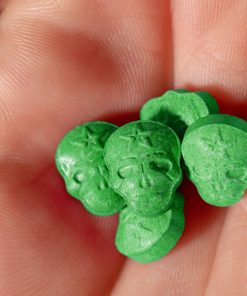
Buy Molly
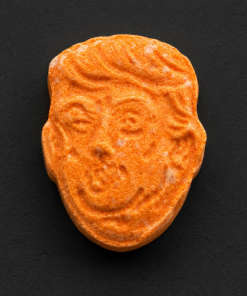

Buy Molly
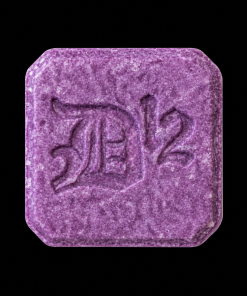
Buy Molly

Buy Molly
Buy Molly

Buy Molly

Buy Molly

Buy Molly

Buy Molly

Buy Molly

Buy Molly